Banking · 🇮🇳 India
Credit Cards in India: Benefits, Risks and Smart Usage Tips
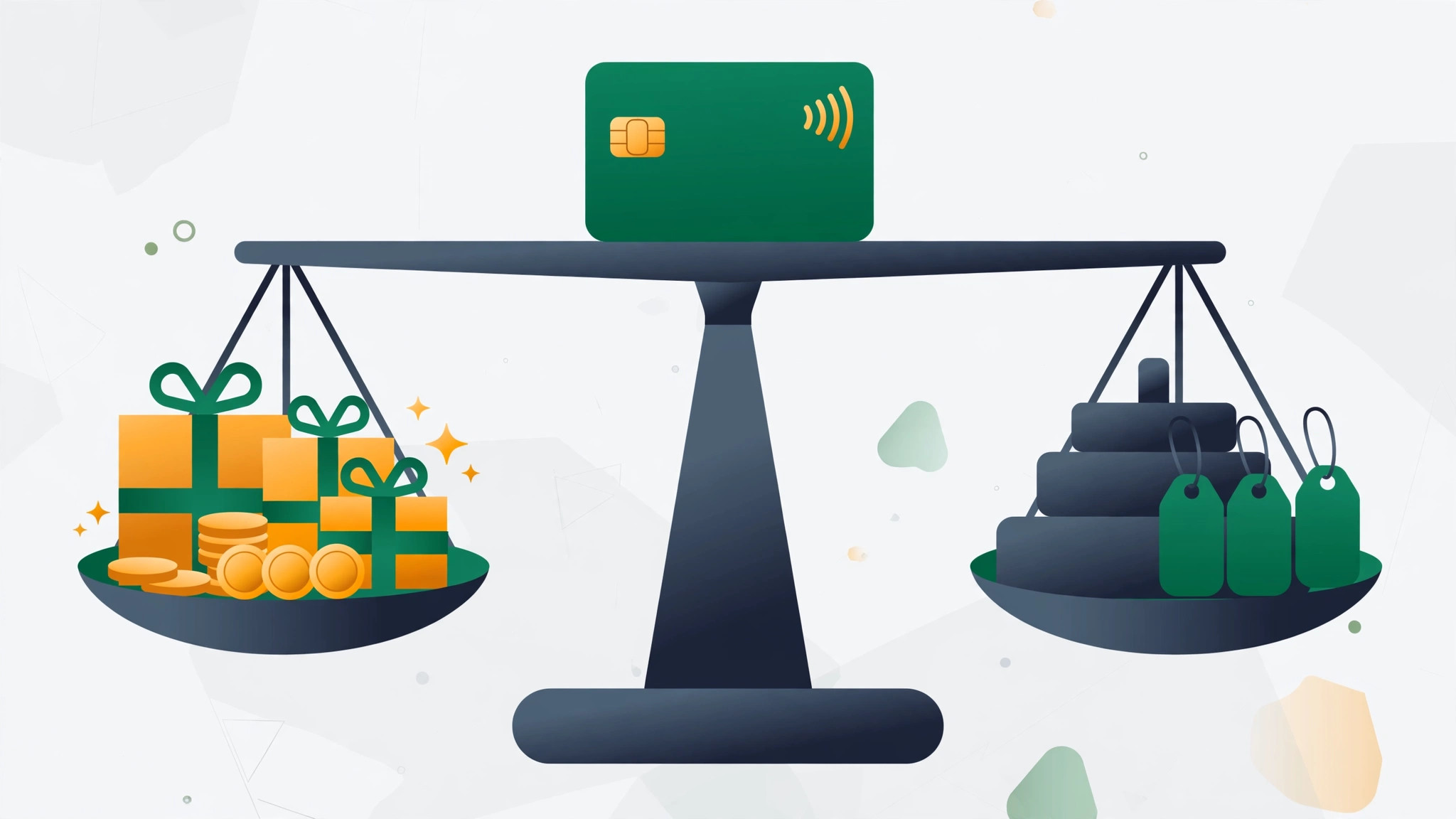
I'll be honest — my first credit card scared me. I got it at 24, used it for a ₹3,500 headphone purchase, and then stared at the bill for a week, convinced I'd somehow already messed up my finances. Nobody had ever explained how the thing actually worked. If that sounds familiar, this article is for you: a plain-English breakdown of what credit cards really are in India, the genuine perks, the genuinely nasty traps, and how to use one without getting burned.
Here's what nobody tells you clearly. A credit card is not extra money — it's a short-term credit line the bank renews every month. Pay it back on time and it's free, even rewarding. Don't, and it becomes one of the most expensive loans in India. Let me walk you through both sides.
In this guide, I'll explain how the billing cycle and grace period work (in simple terms), the real benefits worth having, the real risks worth fearing, my five golden rules, how cards affect your CIBIL score, and — this part matters — who should simply avoid credit cards altogether.
How a Credit Card Actually Works (Billing Cycle & Grace Period, Simply)
When I started out, the phrase "billing cycle" made my eyes glaze over. Here's the simple version. Your card has a fixed cycle — say the 5th of every month to the 4th of the next. Everything you swipe in that window gets bundled into one bill, generated around the 6th, with a due date roughly 20 days later.
The gap between the bill date and the due date is your grace period — and it's the part most people miss. Pay the entire bill by the due date, and the bank charges zero interest on everything you bought. That's the famous "interest-free period": up to about 45 days of free credit, depending on when in the cycle you swiped.
The Real Benefits (Yes, They Exist)
Now the fun part. Used properly, a credit card genuinely puts money back in your pocket. Here's what I've actually found valuable over the years:
- Rewards and cashback: Most Indian cards return 1–2% as points or cashback. On ₹20,000/month of groceries and fuel, that's ₹200–400 back monthly — over ₹3,000 a year — for spending you'd do anyway.
- The interest-free period: You're effectively getting a free short-term loan every month. Your own money can sit in savings earning interest while you spend the bank's money for free.
- Building your credit score: A card used responsibly is the easiest way to build a CIBIL score, which you'll need for a home or car loan later.
- Offers and discounts: 10% off flight bookings, dining deals, festival sales on e-commerce sites. If you were buying anyway, that's real savings.
- Convenience and protection: Smoother online bookings, the ability to dispute wrong charges with the bank, and no need to carry large cash.
The Real Risks (Read This Twice)
Okay. Time for the part that matters more. Credit cards carry interest rates of roughly 36–42% per year — yes, you read that right. That's about 3–3.5% per month on any unpaid balance. To put that in perspective: a home loan today is around 8–9% per year. Credit card debt costs you roughly four times that. This single fact explains every credit card horror story you've ever heard. Card issuers operate under the RBI’s credit card guidelines.
The minimum-due trap
Here's how it usually starts. You get a bill of ₹50,000 and the bank kindly says, "Just pay the minimum — ₹2,500 is fine!" It feels like relief. It isn't. Pay only ₹2,500 and interest keeps accruing on the rest at ~3% per month — that's around ₹1,425 in interest the next month (at ~3% monthly) on the remaining ₹47,500, before you've bought a single new thing. Keep paying only the minimum, and that ₹50,000 balance can take years to clear, with total interest potentially crossing ₹30,000–40,000.
And here's the kicker most people don't know: once you pay only the minimum, you usually lose the interest-free grace period entirely — even on fresh purchases. New spending starts attracting interest from day one. The bank doesn't highlight this in its friendly SMS reminders. (Avoiding late fees is also tip 10 in our 15 easy ways to save money.)
My 5 Golden Rules for Using a Credit Card Smartly
After years of using cards (and watching friends learn the hard way), these are the rules I'd tattoo on every new cardholder's forearm if I could:
- Pay the FULL bill, every month, before the due date. Not the minimum. The full amount. Set up auto-pay if you have to. This one rule, followed religiously, eliminates about 90% of credit card problems.
- Keep your utilisation under 30%. If your credit limit is ₹1,00,000, try to keep monthly spending below ₹30,000. High utilisation (say ₹80,000 on a ₹1,00,000 limit) hurts your credit score even if you pay in full — it signals to lenders that you're stretched.
- Never withdraw cash. As explained above — immediate interest plus fees. If you need cash, use your debit card.
- Track your spending weekly. The danger of a card is that spending feels invisible. I check my card app every Sunday evening — takes two minutes — and it has saved me from overshooting more times than I can count. Weekly reviews are also step one of the 50-30-20 budgeting method.
- Don't chase rewards by overspending. Spending an extra ₹5,000 you didn't need, just to earn ₹100 in points, is not "smart optimisation." It's marketing working exactly as intended. Let rewards be a bonus on spending you were going to do anyway.
Smart Use vs Misuse: A Quick Comparison
| Situation | Smart Use ✅ | Misuse ❌ |
|---|---|---|
| Monthly bill | Pay 100% before due date | Pay only the minimum due |
| Spending limit | Stay under 30% of credit limit | Max out the card every month |
| ATM withdrawal | Never — use debit card for cash | Withdraw cash on credit (instant interest + fees) |
| What you buy | Planned expenses you'd buy with cash | Impulse buys you can't actually afford |
| Rewards | Bonus on normal spending | Excuse to spend more |
| Number of cards | 1–2 cards you can manage | 5+ cards juggling balances |
How Credit Cards Affect Your CIBIL Score
Your CIBIL score (300–900, checked by banks before giving loans) moves with your card behaviour in a few concrete ways:
- Payment history: Every on-time full payment builds your record; a single missed payment can dent your score for a long time. This is the biggest factor.
- Credit utilisation: Using a small fraction of your limit looks good; regularly hitting 80–90% looks risky, even if you pay in full.
- Length of credit history: An old, well-managed card helps — don't close your oldest card casually.
- New applications: Each application triggers a "hard inquiry." Four cards in one month looks desperate and temporarily dings your score.
Honestly? For most beginners, a single card used for small planned purchases and paid in full monthly is the simplest, cheapest way to build credit history. For the full playbook, see our CIBIL score guide.
Frequently Asked Questions
Is a credit card better than a debit card?
They do different jobs. Credit cards give rewards, an interest-free period, and build your score — but punish you heavily if you don't pay in full. Debit cards spend only money you have, so there's zero debt risk but zero credit-building. Many people use both: debit for cash needs, credit for planned monthly spending paid off fully.
How many credit cards should I have?
One or two is plenty for most people. One good-rewards card covers 90% of the benefit. More cards mean more due dates and more temptation — add a second only if you can clearly explain why the first isn't enough.
What happens if I miss a payment?
A late fee (a few hundred to ₹1,000+ depending on the bill), interest on the unpaid amount from the purchase date, and a negative mark on your CIBIL report. One miss won't ruin you, but the interest compounds fast and repeat misses hurt your score badly.
Should students get a credit card?
It depends. With steady income and the discipline to pay in full monthly, a basic card builds credit history early — a real advantage later. With impulsive spending or irregular income, wait. A bad credit history at 21 is much harder to fix than building one at 25.
Does checking my own CIBIL score lower it?
No — that's a "soft inquiry" with zero impact. Only lenders' checks when you apply ("hard inquiries") have a small temporary effect. You can check your own score free — a personal check never hurts — at cibil.com or through your bank's app.
Key Takeaways
- A credit card gives you an interest-free period of up to ~45 days — but only if you pay the full bill by the due date.
- Unpaid balances attract roughly 36–42% annual interest — among the costliest debt in India.
- Paying only the minimum due keeps you in debt for years and kills the grace period on new purchases too.
- Never withdraw cash from a credit card — interest starts instantly, plus fees.
- Keep monthly spending under 30% of your credit limit to protect your CIBIL score.
- One card, paid in full monthly, is the simplest way for beginners to build credit history.
- If you can't pay bills in full regularly, a credit card is not for you right now — and that's okay.
The Bottom Line
Here's my honest take after years of watching people — myself included — handle credit cards. The card itself is neutral: a tool, like a kitchen knife. Useful in careful hands, dangerous in careless ones. Banks make the careless path feel comfortable — minimum dues, easy EMIs, pre-approved limit hikes — because that's where their profits come from.
If you can follow the golden rules — full payment monthly, under 30% utilisation, no cash withdrawals — a card will genuinely reward you and build your financial reputation. If you can't, there's zero shame in sticking to debit cards and UPI until your income and discipline catch up. The most expensive financial product is the one you don't understand — and now you do.
Disclaimer: This article is for education, not financial advice. Interest rates, fees, and card terms vary by issuer and were illustrative as of October 2026 — check your card’s current MITC (Most Important Terms & Conditions) before borrowing. CashCrafty and the author are not SEBI-registered investment advisers.
Continue Reading

From your first demat account to your first share: a beginner's walkthrough of the Indian stock market, with the rules and mistakes that actually matter.
An emergency fund is money set aside for life's surprises — job loss, medical bills, urgent repairs. This guide shows you how much to save, where to keep it, and how to build it step by step.
A 3-digit number decides your loan interest rate — or whether you get the loan at all. Here's what a CIBIL score really is, the 5 factors behind it, and how to push yours above 750.